Hurricane Preparedness in Houston: How To Protect Your Home, Family & Finances Before Storm Season Arrives
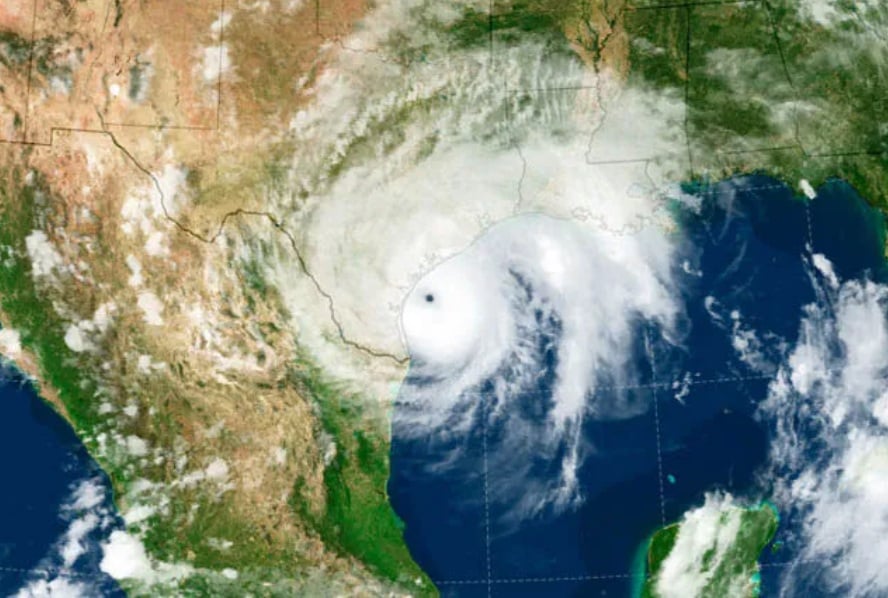
In Houston, hurricane season isn’t something we can afford to ignore. From hurricane-force winds and hail damage to flooding, prolonged power outages, and fallen trees, Gulf Coast storms can create devastating impacts for homeowners in a matter of hours.
The good news? Preparation makes a tremendous difference.
The most important steps you can take happen long before a storm is ever named. Whether you’re a longtime Houston homeowner or new to the area, here’s your complete guide to preparing your home, protecting your family, and minimizing damage during hurricane season.
When Is Hurricane Season in Texas?
Atlantic hurricane season officially runs from June 1 through November 30, with peak activity typically occurring between August and October.
Houston-area residents are especially vulnerable to:
- High winds
- Hail damage
- Flooding and flash flooding
- Storm surge in coastal areas
- Power outages
- Fallen trees and debris
The key is to prepare before watches and warnings begin.
Part 1: What To Do BEFORE Hurricane Season Starts
1. Review Your Insurance Coverage
Many homeowners discover coverage gaps after a storm — when it’s too late.
Before hurricane season:
- Review your homeowner’s insurance policy
- Understand what’s covered and your deductibles
- Confirm whether flood insurance is included (most standard policies do NOT cover flooding and coverage for water damage from leaks is different from flood insurance)
- Confirm if wind and hail damage is covered in your insurance policy
- In some areas, such as Galveston and League City, separate windstorm insurance may be required
- Document furniture and valuables with photos and videos
- Store policy numbers digitally and in waterproof containers
For many Houston-area homeowners, flood insurance through FEMA’s National Flood Insurance Program (NFIP) is highly recommended — even if your home is located outside designated flood zones.
Important: Most flood insurance policies have a 30-day waiting period before coverage begins.
Helpful Resources:
- FEMA Flood Maps
- National Flood Insurance Program (NFIP)
- Texas Windstorm Insurance Association (TWIA)
2. Inspect Your Roof
Houston storms often bring:
- Wind damage
- Missing shingles
- Leaks
- Hail damage
- Fallen tree limbs
Schedule a roof inspection before storm season to identify:
- Loose or damaged shingles
- Soft spots
- Flashing issues
- Aging roof materials
- Tree limbs hanging over the roof
A small repair now can prevent a major insurance claim later.
3. Check Windows & Doors
Strong winds can turn unsecured objects into dangerous projectiles.
Consider:
- Storm shutters
- Impact-resistant windows
- Reinforced garage doors
- Weather stripping
- Door seals
Even simple steps like trimming nearby branches can help reduce risk.
4. Prepare for Flooding
Flooding is one of the biggest risks in Houston-area storms.
Ahead of hurricane season:
- Clean gutters and drains
- Know your property’s drainage patterns
- Store valuables above ground level
- Consider flood barriers or sandbags
- Elevate important electronics and appliances where possible
If your home has flooded before, create a plan now — not during a storm.
5. Create a Hurricane Emergency Kit
Every household should have supplies ready before stores sell out.
Include:
- Water (1 gallon per person per day for at least 3 days)
- Nonperishable food items
- Flashlights
- Batteries
- Portable phone chargers
- First aid kit
- Prescription medications
- Pet supplies
- Cash
- Important documents
- Battery-powered radio
Houston residents should also prepare for extended power outages during extreme heat.
6. Protect Important Documents
Store copies of:
- Insurance policies
- IDs and passports
- Medical records
- Mortgage documents
- Vehicle titles
- Home inventories
Keep both:
- Digital backups
- Waterproof physical copies
7. Know Your Evacuation Zone
Not all Houston residents need to evacuate during hurricanes.
However, if you live in:
- Coastal communities
- Flood-prone areas
- Manufactured housing
- Areas under mandatory evacuation
…it’s critical to know your evacuation route ahead of time.
Monitor:
- Your local county and/or neighborhood updates
- Local emergency management alerts
- National Hurricane Center advisories
Part 2: How To Prepare Your Home When A Hurricane Is Coming
Once a storm enters the Gulf, preparation time can disappear quickly.
1. Bring Outdoor Items Inside
Secure or store:
- Patio furniture
- Potted plants
- Grills
- Decorations
- Trash bins
These can become dangerous projectiles in high winds.
2. Fill Your Car With Gas
Gas stations often experience:
- Long lines
- Fuel shortages
- Power outages
Keep your vehicle fueled early.
Also:
- Move vehicles to higher ground if flooding is possible
- Avoid parking under trees
3. Charge Everything
Before the storm:
- Charge phones
- Backup batteries
- Portable chargers
- Laptops
- Medical devices
If possible, invest in:
- A generator
- Portable power stations
- Battery-operated fans
4. Protect Windows & Doors
If using shutters or plywood:
- Install early
- Reinforce garage doors
- Lock all windows and doors
Do NOT tape windows — it does not prevent breakage.
5. Freeze Water & Prepare Coolers
Power outages can last days.
Helpful tips:
- Freeze water bottles
- Lower refrigerator temperatures
- Fill coolers with ice
- Avoid opening refrigerators unnecessarily
6. Prepare for Possible Evacuation
Pack:
- Clothes
- Medications
- Documents
- Chargers
- Pet supplies
- Snacks and water
Keep a “go bag” ready in case evacuation orders change quickly.
Part 3: What To Do DURING A Hurricane
Once a hurricane hits, pay attention to alerts and instructions from local authorities and/or resources like the National Hurricane Center or FEMA.
Monitor Emergency Alerts
Keep updated through:
- NOAA weather radio
- Local news
- Emergency alerts
- National Hurricane Center updates
Do Not Drive Through Floodwaters
Flash flooding can become deadly quickly.
Remember:
“Turn Around, Don’t Drown.”
Just a small amount of moving water can sweep vehicles away.
Use A Generator Safely
Never run generators:
- Inside the home
- In garages
- Near windows or doors
Carbon monoxide poisoning becomes a major risk after storms.
Avoid Downed Power Lines
Treat all downed lines as live and dangerous.
Report them immediately.
After The Storm: What To Do Next
Once conditions improve:
- Document damage immediately
- Take photos and videos
- Contact your insurance company
- Avoid roof climbing or dangerous repairs
- Watch for mold growth
- Be cautious of contractors offering quick repairs
Unfortunately, storm-chasing scams often increase after major hurricanes. Compile a list of verified, trusted contractors ahead of time, in case you need to contact any of them for inspections, estimates, and repairs.
Final Thoughts
Living in Houston means hurricane preparedness is simply part of homeownership. While we can’t control the weather, we can absolutely take proactive steps to protect our homes, families, and investments.
The best hurricane plan is one created long before a storm is in the forecast.
By preparing early, reviewing your insurance, maintaining your home, and having an emergency plan in place, you’ll be far better equipped to weather hurricane season with confidence.
For more information about hurricane preparedness, or to get alerts, visit trusted sites, such as:
National Hurricane Center: https://www.nhc.noaa.gov
FEMA: https://www.fema.gov
Harris County Dept of Education: https://www.hcde-texas.org/about/emergency-preparedness/hurricanes-tropical-storms
Ready Harris Alerts: https://www.readyharris.org/
Texas Division of Emergency Management: https://tdem.texas.gov